
Interesse an einer Promotion im Bereich der Politik Ost- und Südostasiens?
Allgemeine Voraussetzungen: Sie sollten einen Abschluss mit einem Masterstudiengang der Politikwissenschaft, einem vergleichbaren Studiengang oder einem Fach mit Schnittmengen zur politikwissenschaftlichen Asienforschung haben. Ein Abschluss von 2,0 und besser ist ebenfalls Voraussetzung.
Mögliche Themenbereiche: Sie sollten sicherstellen, dass Sie in ihrer Doktorarbeit ein Thema bearbeiten wollen, das zu den Forschungsthemen und regionalen Schwerpunkten der Professur passt.
Spezifische Voraussetzungen: Sie sollten ein schriftliches Expose im Umfang von ca 10 Seiten vorlegen, in dem Sie anhand der Fachliteratur ihre Forschungslücke identifizieren, die wissenschaftliche Fragestellung benennen, die politikwissenschaftliche Relevanz und die Methoden, mit denen Sie ihre Fragestellung beantworten wollen, herausarbeiten. Das Expose schließt mit einem tentativen Zeitplan. Im Falle der Annahme ihres Dissertationsprojekts ist die Registrierung ihres Vorhabens an der FAU, der Abschluss einer Betreuungsvereinbarung und die Teilnahme am Master- und Doktorandenkolloquium vorgesehen.
Ist ihr Interesse geweckt? Dann schicken Sie eine aussagekräftige Bewerbung bitte an Prof. Marco Bünte.
Aktuelle Dissertationsprojekte
Lea Wölfel, M.A.: Digital Authoritarianism in Southeast Asia
 Her research focuses on the diffusion of digital-authoritarian practices in Southeast Asia. Centered on multidimensional linkages with the People’s Republic of China, the PhD project investigates how political, economic, technological, and societal ties act as transnational drivers of the rise of digital authoritarianism in the region. Particular emphasis is placed on the causal mechanisms through […]
Irvan Aladip Mahfudin
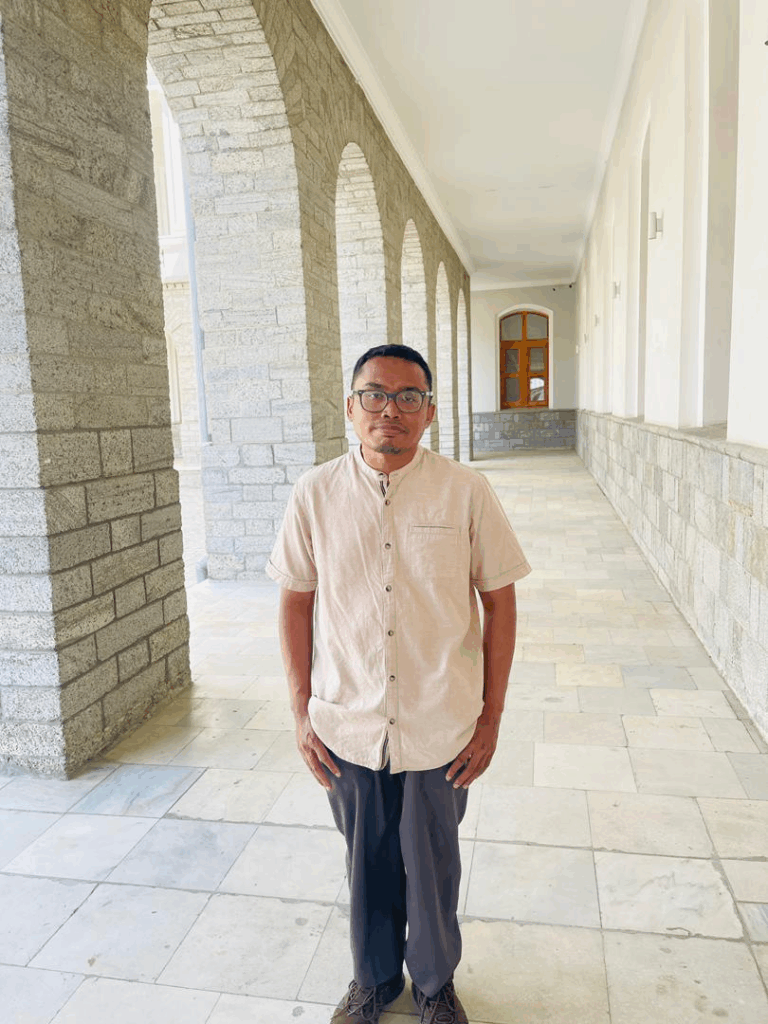 Transnational Religious Actors in Peacebuilding: A Comparative Analysis of the Role of Nahdlatul Ulama on Conflict Transformation in Afghanistan and Muhammadiyah in the Philippines’ Peace Process From post-World War II to the present, the number of civil or intra-state wars has increased considerably. On the one hand, it is often said that religion can become […]
Loren Bustos
 Loren Bustos is a doctoral student and DAAD scholarship holder at Friedrich-Alexander University (FAU). Her research project focuses on strengthening EU-ASEAN relations through the protection of human rights in economic cooperation. She received her Master’s degree in International Relations with Economic and Legal Aspects from the University of Szeged in Hungary and was a scholarship […]
Naznin Sultana
 My PhD project explores how political mobilisation of the stateless groups can shape prospects for sustainable peacebuilding in protracted ethno-religious conflicts, focusing on the Rohingya in post-coup Myanmar. Anchored in the aftermath of the 2021 Spring Revolution and the rise of the National Unity Government (NUG), it investigates how shifting political dynamics—alongside digital media-driven activism—influence […]
Adhiraaj Anand
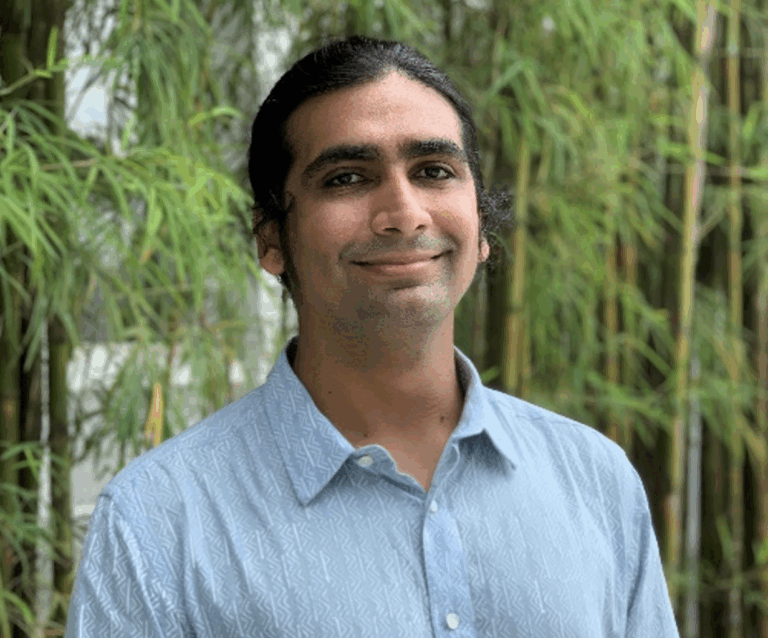 In recent years, several countries in East and Southeast Asia have seen the rise of youth-led social movements and political parties that seek to advance youth politics. Politically engaged youth in different countries have engaged in dialogue, most notably through the ‘Milk Tea Alliance’, an online pan-Asian solidarity movement of pro-democracy and anti-authoritarian activists. My […]
Abgeschlossene Dissertationsprojekte
2026: Dr. Thawng Za Pum: Federal State Formation in Myanmar