
Interesse an einer Promotion am Lehrstuhl?
Beachten Sie bitte folgende Voraussetzungen:
- Allgemeine Voraussetzungen: Sie sollten einen Abschluss in einem Masterstudiengang der Politikwissenschaft oder einem Fach mit Schnittmengen zur politikwissenschaftlichen Nahostforschung (z.B. Middle Eastern Studies/Nahoststudien) haben (Abschluss Note 2,0 oder besser).
- Mögliche Themenbereiche: Sie sollten sicherstellen, dass Sie in Ihrer Doktorarbeit ein Thema bearbeiten wollen, das zu den Schwerpunkten und Forschungsthemen des Lehrstuhls passt.
- Abgabe eines Exposés: Sie sollten ein schriftliches Exposé von ca. 10 Seiten einreichen. Aus dem Exposé sollen insbesondere die Fragestellung, deren wissenschaftliche Relevanz, die Forschungsmethoden, mögliche Antworten auf Ihre Fragestellung und denkbare Antwortstrategien hervorgehen.
- Beachten Sie bitte, dass im Falle einer Annahme Ihres Vorhabens die Registrierung des Dissertationsprojekts an der FAU Erlangen-Nürnberg, der Abschluss einer Betreuungsvereinbarung und die Teilnahme am Master- und Doktorandenkolloquium des Lehrstuhls (wöchentlich in der Vorlesungszeit) erwartet wird. In diesem Kolloquium sollten Sie einmal pro Semester über den Stand der Doktorarbeit referieren.
Interesse geweckt und Voraussetzungen erfüllt? Wir freuen uns auf Ihre Anfrage an: katharina.nicolai@fau.de
Aktuelle Dissertationsprojekte
Andrea Klinger: “‘Us against Them’ in the Name of the French Nation”
Against the backdrop of an ongoing third wave of autocratization undoing progress in global democracy over the past 30 years, we are facing an increasing political polarization worldwide. While a certain degree of ideological polarization is necessary for a functioning party competition […]

Jonas Knoblauch: „Legitimation Strategies of Turkish and Tunisian Political Parties from 2001-2020“
Legitimation Strategies of Turkish and Tunisian Political Parties from 2001-2020 Jonas Knoblach Over the past two decades, Turkey and Tunisia have been seen as potential role models for the democratisation process in the MENA-region. Due to the authoritarian drift under Erdoğan […]
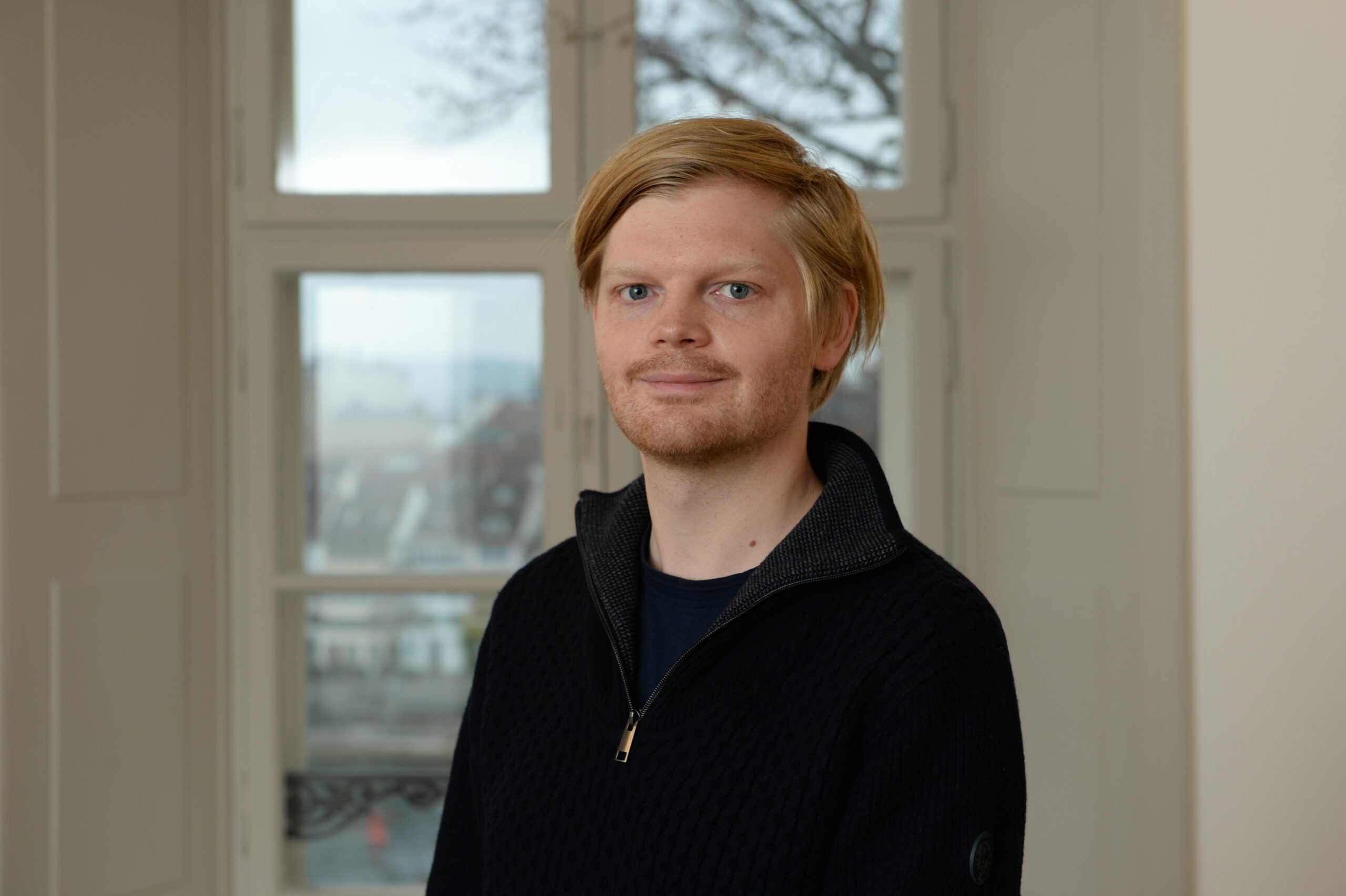
Jan Mewes: „Saudi go home! – Saudi Arabian interventions in the Yemeni Civil War and implications for a peace process“
Despite having lost some of its intensity, the ongoing civil war in Yemen still is a major military conflict and a grave humanitarian crisis. Causes and possible resolution appear as a complex political puzzle within a multitude of internal and external actors. My project aims at explanatory […]
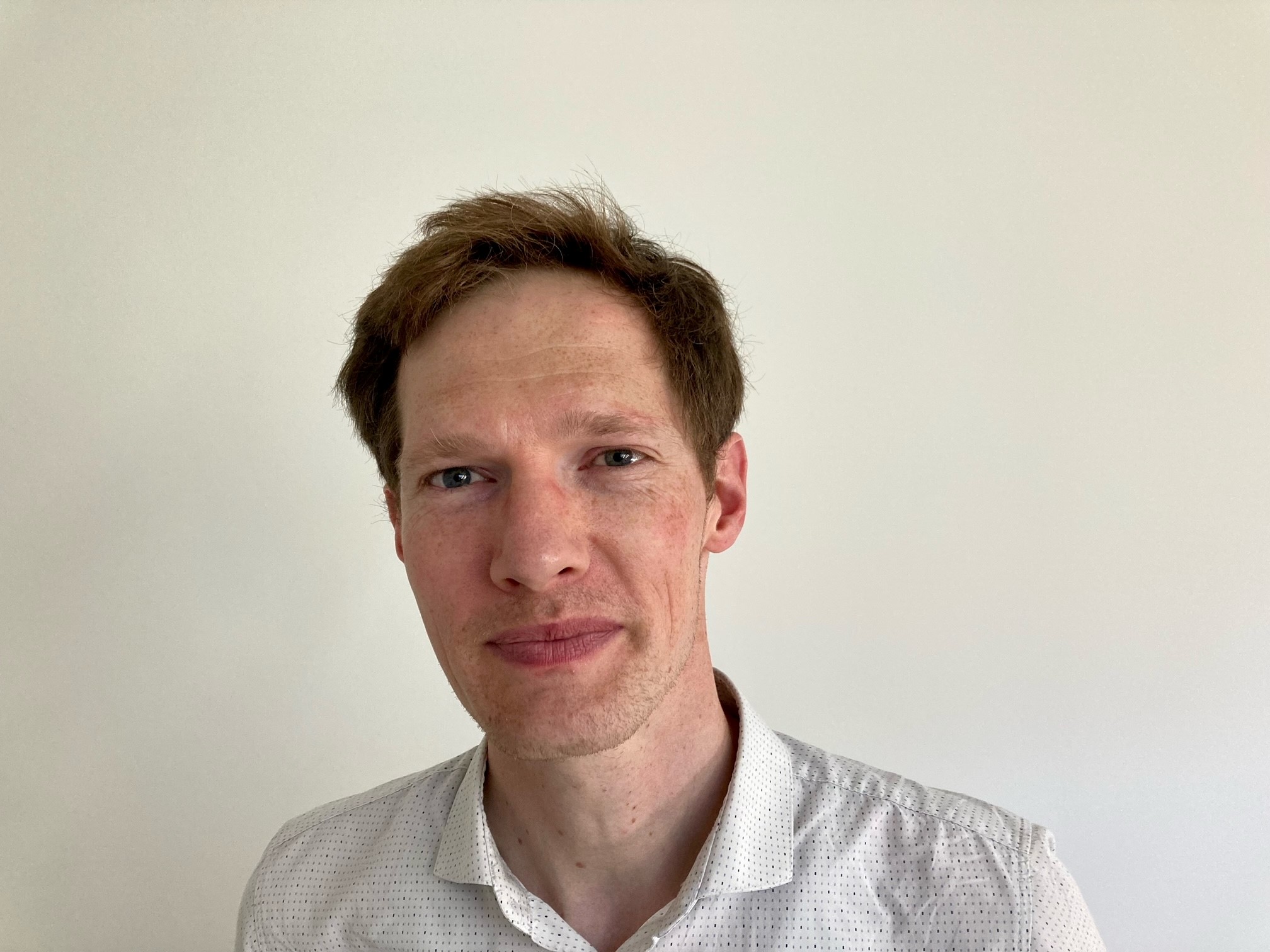
Michael Nuding: „New Middle Eastern Regionalism: Arab-Israeli Normalisation and Shifting Paradigms of a Region“
The norms that have historically shaped regionalism in the Middle East are currently undergoing a profound transformation. The ongoing Arab-Israeli normalization initiatives exemplify a notable shift in the conceptualization of the region itself and the parameters governing regional […]

Antonia Thies: “Sentimentality and State-Society Relations: The Consolidation of Collective Identities in Gulf Monarchies”
The project analyzes the role of emotions and affects, as well as sentimentality as a relational code of communication that oscillates between the present and the past. It aims to examine the new negotiation processes of state-society relations in the Gulf in the course of the emerging […]

Philipp Winkler: “Vietnam and Cuba as revolutionary role-models? Debates among the Arab Left since 1967”
This project examines the political and ideological orientations of the Arab Left after the crushing defeat by Israel in June 1967 in respect to its views of other „Third World“ revolutionary movements. This event caused a lively debate among the Arab Left’s protagonists, who started […]

Abgeschlossene Dissertationsprojekte
- 2026: Dr. Laura Schuhn: The Guardians of the Green: Bottom-up Perspectives on State-Society Relations and Sustainability in Saudi Arabia in the Digital Age
- 2024: Dr. Dastan Jasim: Civic Culture Without a State: Conceptualizing Kurdish Civic Culture in Iraq, Iran, Turkey and Syria between State-Control and Resistance (in Kooperation w/ GIGA Doctoral Program, Co-Supervision, Prof. Dr. Eckart Woertz)
- 2024: Dr. Katharina Nicolai: The Emerald Kingdom: Environmental Sustainability, Authoritarian Resilience and Foreign Policy Dominance in Morocco
- 2023: Dr. Miriam Bohn: The Autocrat’s Guide to the Periphery. Fostering Elite Cohesion Between the Center and the Subnational Levels in Jordan
- 2022: Dr. Aline de Oliveira Alencar: Ennahda from within: from Political Islam to Muslim Democracy
- 2021: Dr. Christina Hartmann: Changes in Jihadi Discourse in the Wake of the Islamic State
- 2020: Dr. Tobias Zumbrägel: The delusion of being eco-friendly: Environmental policy making and the quest of legitimation in the oil-rich Arab Gulf monarchies
- 2020: Dr. Nina Nowar: Local Normative Spaces. Dynamiken der Aushandlung von Identität und Moral im öffentlichen Raum von Tunis
- 2019: Dr. Matthias Sailer: Über die außenpolitischen Interessen der arabischen Golfstaaten gegenüber Ägypten seit 2011
- 2017: Dr. Ziad Koussa: The Arab Revolutionary Uprisings in Egypt: An Analysis of David Harvey’s framework of Accumulation by Dispossession
ㅤ
- 2015: Dr. Christian Wolff: Freiheit, Bürger und Staat: die Entwicklung libaralen Denkens in der ägyptischen Muslimbruderschaft (Betreuung: Prof. Dr. Christoph Schumann, Prof. Thomas Philipp, PhD)
- 2013: Dr. Mahmoud Jaraba: Moderation or Transformation: Explaining the Different Ideological Trajectories of the Egyptian Muslim Brotherhood and the Turkish Justice and Development Party (Betreuung: Prof. Dr. Christoph Schumann)
- 2012: Dr. Meltem Kulaçatan: Geschlechterdiskurse in den Medien: Türkisch-deutsche Presse in Europa (Betreuung: Prof. Dr. Christoph Schumann, Prof. Dr. Mathias Rohe)